
Tile or Composition Shingle: Which Roof Fits a Southern California Home?
Composition shingle is the lighter and cheaper roof, at $4 to $12 per square foot in Los Angeles against $7 to $15 for tile, per Angi's July 2026 figures. Tile lasts far longer and is noncombustible, but standard concrete tile weighs 9 to 10 pounds per square foot, so the framing has to be checked first.
Is a tile roof better than shingles in Southern California?
Neither wins on every count. Tile wins on lifespan. Shingle wins on price, on weight and on how many houses can take it without an engineer. On a roofing project the useful order of questions is structure first, then fire zone, then budget, then looks.
That order matters because the first question can end the debate. A house framed for a light roof may not be allowed to carry standard tile without calculations, and several Southern California building departments draw that line in writing.
How much heavier is tile than shingles, and can my framing carry it?
A lot heavier. Eagle Roofing Products, a concrete tile maker, publishes approximate installed weights on its technical specifications page. Its standard flat profiles weigh about 970 pounds per 100 square feet and its Capistrano and Malibu profiles about 900. That is 9.0 to 9.7 pounds on every square foot of roof. The lightweight versions of the same profiles are listed at 550 to 720 pounds per 100 square feet, or 5.5 to 7.2 pounds per square foot.
Now compare those figures with what the cities say:
- City of Los Angeles: the LADBS Express Permit list covers re-roofing with a Class A or B covering under 6 pounds per square foot. Heavier coverings are outside that no-plan-check path.
- City of San Diego: Information Bulletin 123, dated September 2026, requires a permit with structural review when asphalt shingles or wood roofing are replaced with roofing over 6 pounds per square foot.
- Santa Clarita: the city's residential re-roof handout, revised January 2020, says an engineer or architect may be required when the new covering exceeds 7 pounds per square foot or weighs more than the roof it replaces.
- Riverside County: its re-roof permit guide, revised July 2021, sends the job to plan review with roof framing plans when concrete or clay tile replaces a lightweight covering.
Going from shingle to tile is a structural question before it is a style question. Going from tile to shingle is not, because the load goes down.
A worked example: the weight of tile on a 2,000 square foot roof
Roofers measure in squares, and one square is 100 square feet. A 2,000 square foot roof surface is 20 squares.
Standard flat concrete tile: 20 x 970 = 19,400 pounds. The 6 pound line used by Los Angeles and San Diego works out to 2,000 x 6 = 12,000 pounds. Standard tile is 19,400 minus 12,000, or 7,400 pounds, over that line.
Lightweight flat tile at 720 pounds per square: 20 x 720 = 14,400 pounds, still 2,400 over. Lightweight Malibu at 550: 20 x 550 = 11,000 pounds, which is under the line by 1,000. So the profile you pick can decide whether the job needs an engineer. Eagle notes that lightweight availability varies by region.
Tile and shingle roof prices in Los Angeles, side by side
Per-square-foot ranges come from Angi's Los Angeles roof replacement page, updated July 31, 2026.
| What it covers | Typical range | What moves the price |
|---|---|---|
| Composition (asphalt) shingle roof | $4 to $12 per sq ft | Shingle grade, pitch, layers to remove, deck repairs |
| Tile roof, concrete or clay | $7 to $15 per sq ft | Clay or concrete, standard or lightweight, framing work, underlayment type |
| Typical whole-roof job, any material | $10,256 to $24,963 (average $17,271) | Angi survey of real Los Angeles jobs of every size |
| Tear-off of the old roof | $1,000 to $3,000 | Layers, roof size, disposal weight |
| Tile reset on new underlayment | No dated source found | Share of broken tile, underlayment grade, flashing replacement |
| Engineering for heavier tile | No dated source found | Rafter size and span, added framing |
How we got these numbers: Angi's Los Angeles roof replacement cost page (updated July 31, 2026), which surveys real customers about what they paid. Angi does not say whether its per-foot rates apply to roof surface or floor area, so confidence is medium-low. Weights are Eagle Roofing Products' published approximate figures. The price that counts is the one in MDG's written proposal after the roof is measured.
Which roof costs less per year of life?
Use the same 2,000 square foot roof and the midpoint of each Angi range. These are illustrations, not quotes.
Shingle: the midpoint of $4 to $12 is $8, so 2,000 x $8 = $16,000. The InterNACHI life expectancy chart lists architectural asphalt shingles at 30 years. $16,000 divided by 30 is about $533 per year.
Tile: the midpoint of $7 to $15 is $11, so 2,000 x $11 = $22,000. The Tile Roofing Industry Alliance says tile roofs can last 50 to 100 years or more. Using the low end, $22,000 divided by 50 is $440 per year.
Two things are missing from the tile line, and both raise it: new underlayment at some point, for which we found no dated price, and any framing upgrade. Shingle life also shrinks in heat, as our guide to how long a roof lasts in Southern California explains.
Do tile and shingle roofs both pass in a fire zone?
Both can. The California Department of Insurance says on its Safer from Wildfires page that most roofs qualify as Class A, including asphalt shingles, concrete, brick or masonry tiles, and metal shingles or sheets. Wood shake does not.
The detail that separates them is the gap under the tile. The LADBS Fire Hazard Severity Zone checklist, revised March 27, 2026, says that where a roofing profile leaves an airspace over a combustible deck, the roof needs a 72 pound cap sheet or a listed Class A underlayment, bird stops at the eaves and mudded hip and ridge caps. Flat shingles have no such void. If you live in the hills of Calabasas or La Canada Flintridge, read our post on wildfire hardening for roofs before choosing a barrel tile.
Does tile or shingle make the cool roof rule easier?
Either can comply. The U.S. Department of Energy's Guide to Cool Roofs lists cool asphalt shingle, clay tile, concrete tile and metal products for steep roofs. What counts is the rated product, so ask for the Cool Roof Rating Council product ID with every sample. Our guide to cool roof requirements lists the numbers by climate zone.
One Los Angeles wrinkle favors keeping the tile you have. LADBS lists resetting existing tile on new underlayment as an Express Permit item with no cool roof requirement.
Which should you pick? A short decision list
Stop at the first line that fits.
- The house has shingles now and you want tile: get the framing reviewed before anything else, and price lightweight profiles.
- The house has tile now and it leaks: ask about a lift and reset on new underlayment before a full replacement.
- The budget is fixed and the roof is simple: composition shingle, in a rated Class A and cool roof product.
- An HOA requires tile: confirm the weight class it allows.
Who checks the structure before a roof changes weight?
An engineer or architect does the calculations, and the building department reviews them. MDG Builders, CSLB #1040337, runs that sequence as the general contractor: we bring in the engineer when the weight calls for one, prepare the permit submittal and schedule a licensed roofing subcontractor to install. Ask us for that subcontractor's license number and certificate of insurance. A planned room addition changes the roof framing anyway, which makes it the cheapest moment to design for tile.
Whatever you choose, get the product's installed weight in pounds per square foot in writing, next to the price. If new windows or skylights are part of the same project, have them flashed while the roof is open.
Tile and shingle questions
How much does a tile roof cost in California?
In Los Angeles, tile runs $7 to $15 per square foot, according to Angi's page updated July 31, 2026. On 2,000 square feet of roof that is $14,000 to $30,000 before tear-off or framing work.
What are the best roof shingles for a replacement in 2026?
The best shingle is one that carries the ratings your address requires: a Class A fire rating, and a Cool Roof Rating Council listing where the Energy Code applies. We do not rank brands. Ask for the fire class and CRRC product ID in the proposal.
Can clay tile be reused when a tile roof is replaced?
Often, yes. Los Angeles lists resetting existing tile on new underlayment as an Express Permit item, and Santa Clarita's handout allows existing clay or cement tile to be reinstalled unless it is damaged, cracked or broken. Ask how matching replacement pieces will be sourced.
Is it cheaper to put on a metal roof or shingles?
Shingles are cheaper. Angi's Los Angeles figures from July 2026 show asphalt at $4 to $12 per square foot and metal at $7 to $16. Metal is listed at 40 to 80 years on the InterNACHI chart, so it can cost less per year.
What is the most expensive part of replacing a roof?
The roofing material and the labor to install it are the largest share, and both scale with roof area. Angi lists tear-off separately at $1,000 to $3,000 in Los Angeles. On a shingle to tile change, engineering and added framing can become a large extra line.
What color roof increases home value?
We found no dated source that ties roof color to sale price in California, so we cannot name one. What color does affect is energy compliance: lighter and cool-rated colors reflect more sun. Pick a color in a product that meets the cool roof rule for your climate zone.
Work that goes with this
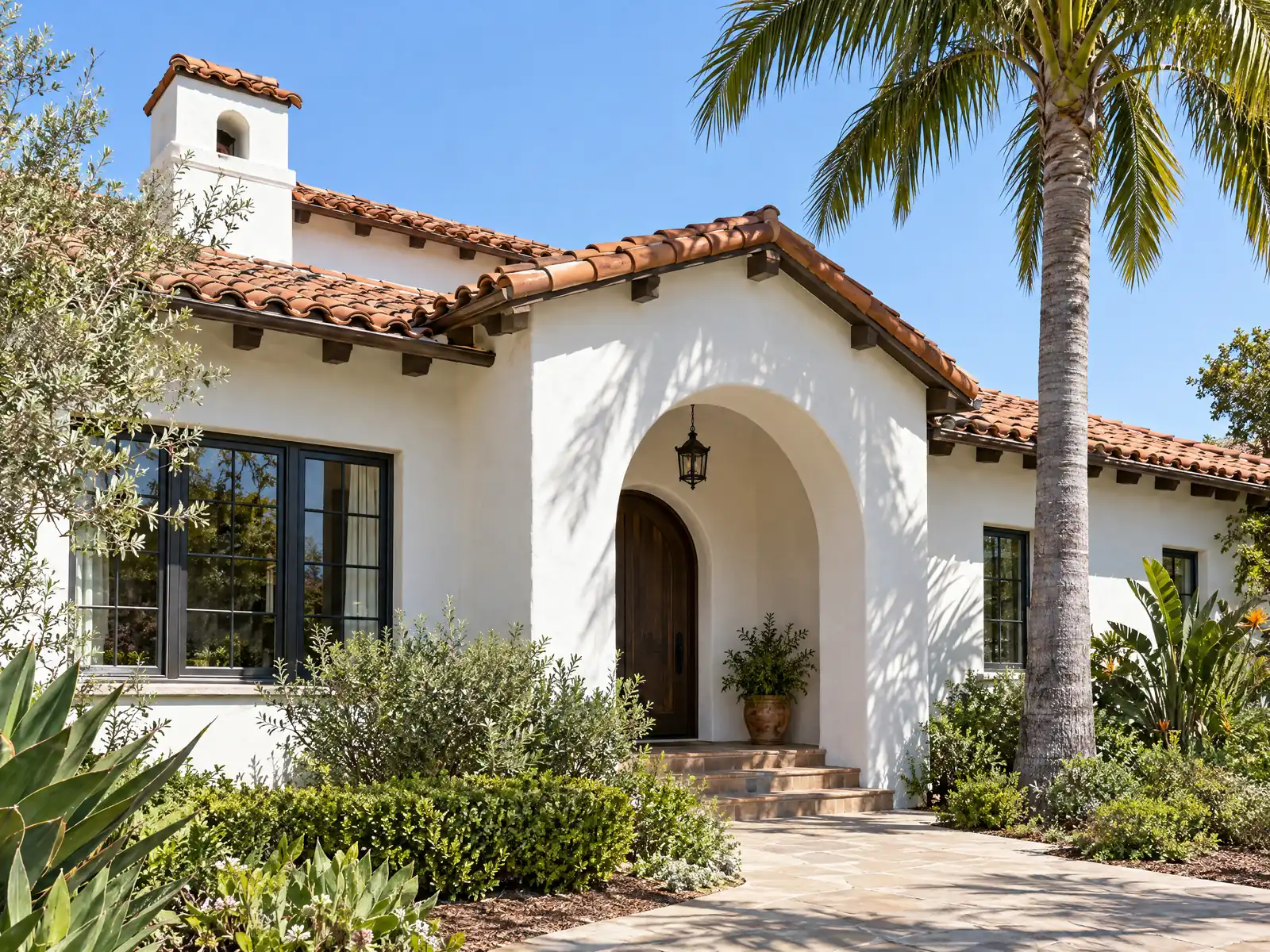
Roofing
Shingle, tile and metal roofs with LADBS permit rules, fire-zone requirements and sourced costs.
See roofing →
Room Additions
Family rooms, primary suites and second stories, from zoning check to final inspection, with sourced prices.
See room additions →
Windows
Replacement windows and sliding doors, with the LADBS permit path, glass ratings and sourced prices explained.
See window replacement →Related roofing guides
How Long Does a Roof Last in Southern California?
Roof life by material from a published inspector chart, what inland heat does to shingles, and why tile roofs get new underlayment.
Read the guide →Cool Roof Requirements in California: What Title 24 Means for a Re-Roof
When a re-roof triggers the Title 24 cool roof rule, the reflectance numbers, the Southern California zones covered, and the exceptions.
Read the guide →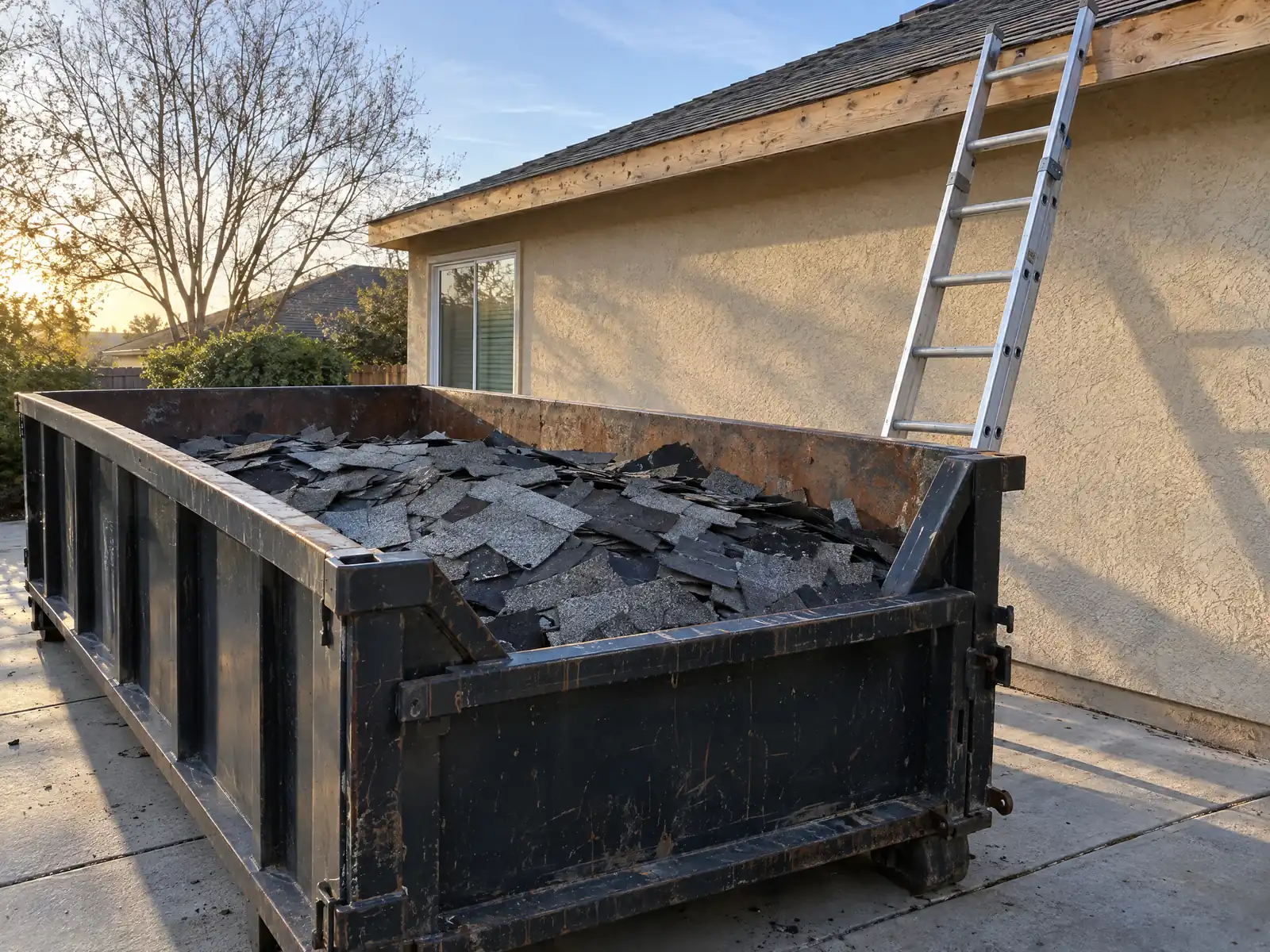
How Much Does a Roof Replacement Cost in Los Angeles?
Per-square-foot roof prices for Los Angeles with sources, a worked example by roof size, and the permit, fire-zone and contract rules.
Read the guide →Ready to plan your project?
Call or send the form. We schedule a site visit and send a written proposal.