
How Much Does a Tub-to-Shower Conversion Cost in California?
A tub-to-shower conversion costs $2,000 to $12,000 as a national range, according to This Old House's guide updated March 4, 2026, and a curbless shower runs $8,000 to $15,000. We found no dated source for California alone, and those national ranges do not include Southern California labor rates, so treat a written proposal as the real price.
What does it cost to turn a bathtub into a shower?
Between $2,000 and $12,000 for most projects, on national numbers. That range is from This Old House's tub-to-shower conversion cost guide, updated March 4, 2026, which says its estimates come from the Homewyse cost database and The Home Depot, plus a January 2026 survey of 1,000 homeowners.
We looked for a California figure with a date and a method and did not find one we could open and read, so this page does not print a state average. For scale, Remodeling magazine's 2025 Cost vs. Value report prices a complete midrange bathroom remodel in Los Angeles at $27,143. A conversion is one corner of that room, and its price should sit well under it. Our bathroom remodel cost guide covers the full-room numbers.
Tub-to-shower conversion cost table
These are national ranges from one dated guide, shown because no California-only source with a method was available to us.
| What it covers | Typical range | What moves the price |
|---|---|---|
| Prefabricated shower stall | $2,000 to $6,000 | Pan and wall kit quality, drain position, door or curtain |
| Walk-in shower | $5,000 to $12,000 | Base type, wall finish, glass |
| Tiled shower | $6,000 to $12,000 | Tile size and pattern, niche or bench, waterproofing system |
| Curbless shower | $8,000 to $15,000 | Lowering the floor, linear drain, waterproofing beyond the shower |
| Tub removal and disposal | $300 to $1,200 | Cast iron or steel, stairs, access |
| Moving a drain line | $900 to $1,100 | Slab or raised floor, distance |
| Shower valve, new or upgraded | $700 to $1,200 | Pressure-balanced or thermostatic, wall access |
| Glass door, framed to frameless | $400 to $3,000 | Framed $400 to $1,200; frameless $1,200 to $3,000 |
How we got these numbers: This Old House's tub-to-shower conversion cost guide (updated March 4, 2026), which states that its estimates come from Homewyse and The Home Depot plus a January 2026 survey of 1,000 U.S. homeowners. Confidence is low to medium for California because the conversion ranges are national. The price that counts is the one in MDG's written proposal for your own bathroom.
Why does one conversion cost three times another?
Because the tub was hiding different things in different houses. Four choices do most of the work:
- The base. A factory pan in the standard alcove size is the least labor. A site-built tiled floor needs a sloped bed, a membrane and a flood test, which our shower waterproofing guide explains.
- The drain. A shower needs a waste outlet of at least 2 inches under California Plumbing Code section 408.4, as the City of Lake Forest's 2026 bathroom handout lists it. If the tub's drain line is smaller, the plumber replaces it, and This Old House prices moving a drain at $900 to $1,100.
- The valve. A new valve must limit the water to 120 degrees and protect against scalding under section 408.3, as Rancho Palos Verdes lists it.
- The glass. A framed door runs $400 to $1,200 and a frameless one $1,200 to $3,000 in the same guide. A curtain costs almost nothing.
A worked example: adding up a tiled walk-in conversion
Start with the line items This Old House prices separately. Tub removal and disposal: $300 to $1,200. Moving the drain: $900 to $1,100. A new shower valve: $700 to $1,200. A frameless glass door: $1,200 to $3,000. Low end, 300 plus 900 plus 700 plus 1,200 is $3,100. High end, 1,200 plus 1,100 plus 1,200 plus 3,000 is $6,500.
That $3,100 to $6,500 buys no shower yet. It leaves out the backer board, the waterproof membrane, the pan, the wall and floor tile and the setter's labor, which is why the guide's range for a finished tiled shower is $6,000 to $12,000. Then add the contingency it recommends, 10 to 20 percent. On a $10,000 conversion that is $1,000 to $2,000 held back for soft subfloor or corroded pipe behind the old tub. If the money is not needed, it stays yours.
Do you need a permit to replace a tub with a shower?
In most Southern California cities, yes. In the City of Los Angeles, the building department's Express Permit bulletin, effective January 1, 2026, lists a residential bathroom remodel with no structural changes and the replacement of plumbing fixtures as permits issued without plan check. Details are in our Los Angeles bathroom permit guide.
San Diego draws the line in a way that matters for this exact job. Its Information Bulletin 203, dated July 2024, exempts tub-to-tub and shower-to-shower replacements of the same size and location from a permit. A tub-to-shower swap is neither, so do not assume the exemption covers it. Ask the city before work starts in San Diego.
One more rule follows the permit. For a home built on or before January 1, 1994, Civil Code section 1101.4 makes replacing noncompliant toilets, showerheads and faucets a condition of final approval.
What size shower fits where the tub was?
A standard tub alcove is about 60 inches long and 30 to 32 inches deep, so the footprint is roughly 1,800 square inches. The California minimum for a shower is 1,024 square inches with room for a 30 inch circle, and the entry must leave a 22 inch clear opening, as both cities above cite the Plumbing Code. The old alcove clears the minimum with space to spare, which is why most conversions need no wall moved.
Shower glass has its own rule. Safety glass, tempered or laminated, is required for shower doors and partitions, and for a window in the shower wall less than 60 inches above the standing surface, under Residential Code section R308.4 as Rancho Palos Verdes cites it.
What makes a walk-in shower accessible?
A low or level entry, room to turn or transfer, a seat, and solid backing for grab bars. The U.S. Access Board's guide to bathing rooms gives the sizes used in public buildings: a transfer shower is 36 by 36 inches, a standard roll-in shower is at least 30 inches deep and 60 inches wide, thresholds are half an inch at most, grab bars sit 33 to 36 inches above the floor and seats 17 to 19 inches. Those standards are written for public facilities. We use them as design targets in a house, and a 60 inch tub alcove happens to match the roll-in width.
Costs for the parts are in the This Old House guide: grab bars at $150 to $500 each installed, and a fold-down seat at $300 to $800. A curbless floor is the expensive piece, $8,000 to $15,000 in that guide, because the floor structure must drop to create slope and some cities require the whole bathroom floor waterproofed. Cost vs. Value 2025 prices a full universal design bathroom remodel in Los Angeles at $44,580.
Who does the work on a conversion?
A conversion touches plumbing, tile, glass and often electrical for a new fan or light, so it is rarely a one-trade job. MDG Builders, CSLB #1040337, measures the alcove, writes the scope, pulls the permit and runs the schedule, and licensed plumbing, tile and glazing subcontractors do the installation. You can ask for each license number and check it using our contractor license guide.
When you compare bids for bathroom remodeling, line them up on the four choices above: base, drain, valve and glass. Two prices that look far apart often describe two different showers. If a new tile floor outside the shower is part of the plan, ask for it as its own line. Homeowners in Glendale and other cities with their own building departments should also ask which permits the price includes.
Tub-to-shower questions
How much does a shower remodel cost in California?
We found no dated California-only figure. Nationally, This Old House's March 2026 guide puts a tub-to-shower conversion at $2,000 to $12,000, with a tiled shower at $6,000 to $12,000 and a curbless one at $8,000 to $15,000. Those figures do not reflect Southern California labor rates, so compare written bids.
Do I need a permit to convert a tub to a shower in California?
Usually yes. Los Angeles lists a bathroom remodel with no structural changes and fixture replacement as Express Permits. San Diego exempts only tub-to-tub and shower-to-shower swaps of the same size and location, which a conversion is not. Check with your city's building department first.
Is a walk-in shower cheaper than replacing a bathtub?
It depends on the shower. A prefabricated stall at $2,000 to $6,000 can be the lowest-cost option in This Old House's 2026 guide, but a tiled walk-in runs $6,000 to $12,000 and a curbless one more. We did not find a comparable dated price for a like-for-like tub replacement.
Where should I save and where should I spend on a shower conversion?
Save by keeping the drain and valve where they are and choosing a standard-size base. Spend on the waterproofing system, the valve and solid wall backing for future grab bars, because those are buried behind tile and cost far more to change later than a door or a showerhead.
Does converting a tub to a shower raise my property taxes?
Usually not, but the county assessor decides. The California Board of Equalization says replacing old fixtures with modern ones is not new construction, while structural changes or upgraded plumbing and electrical systems in a bathroom can be assessed case by case. Accessibility work for a disabled owner may be excluded.
Should I keep at least one bathtub in the house?
That is a judgment call, and we found no dated study we could verify that measures the resale effect of removing the only tub. Nothing in the city handouts we read requires a home to have a bathtub. If resale matters to you, ask a local real estate agent before converting the last one.
Work that goes with this
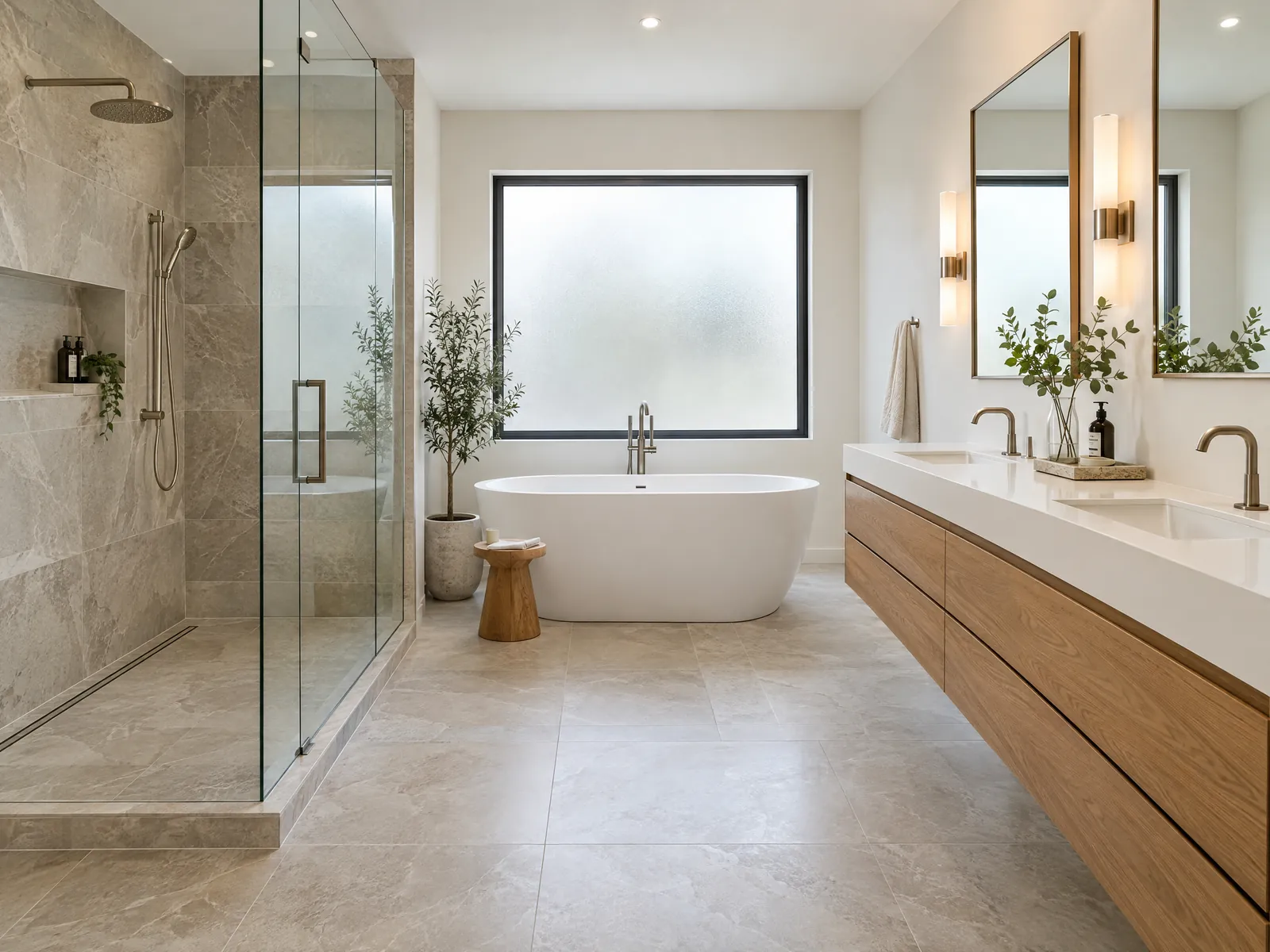
Bathroom Remodeling
Showers, tubs, vanities and full baths, with the permit path, waterproofing and prices from named sources.
See bathroom remodeling →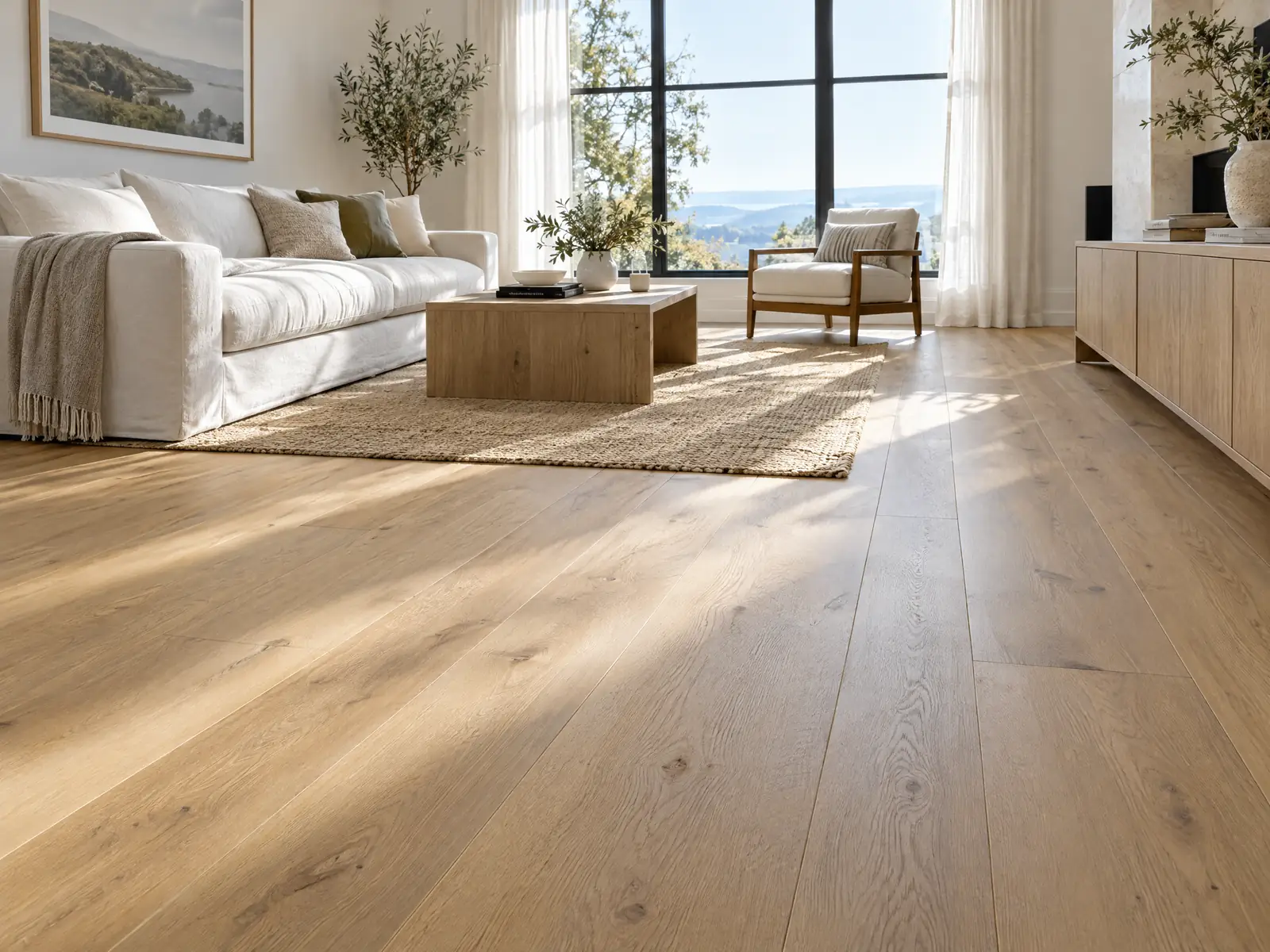
Flooring
Hardwood, engineered wood, vinyl plank, laminate and tile, with slab testing and a written scope.
See flooring →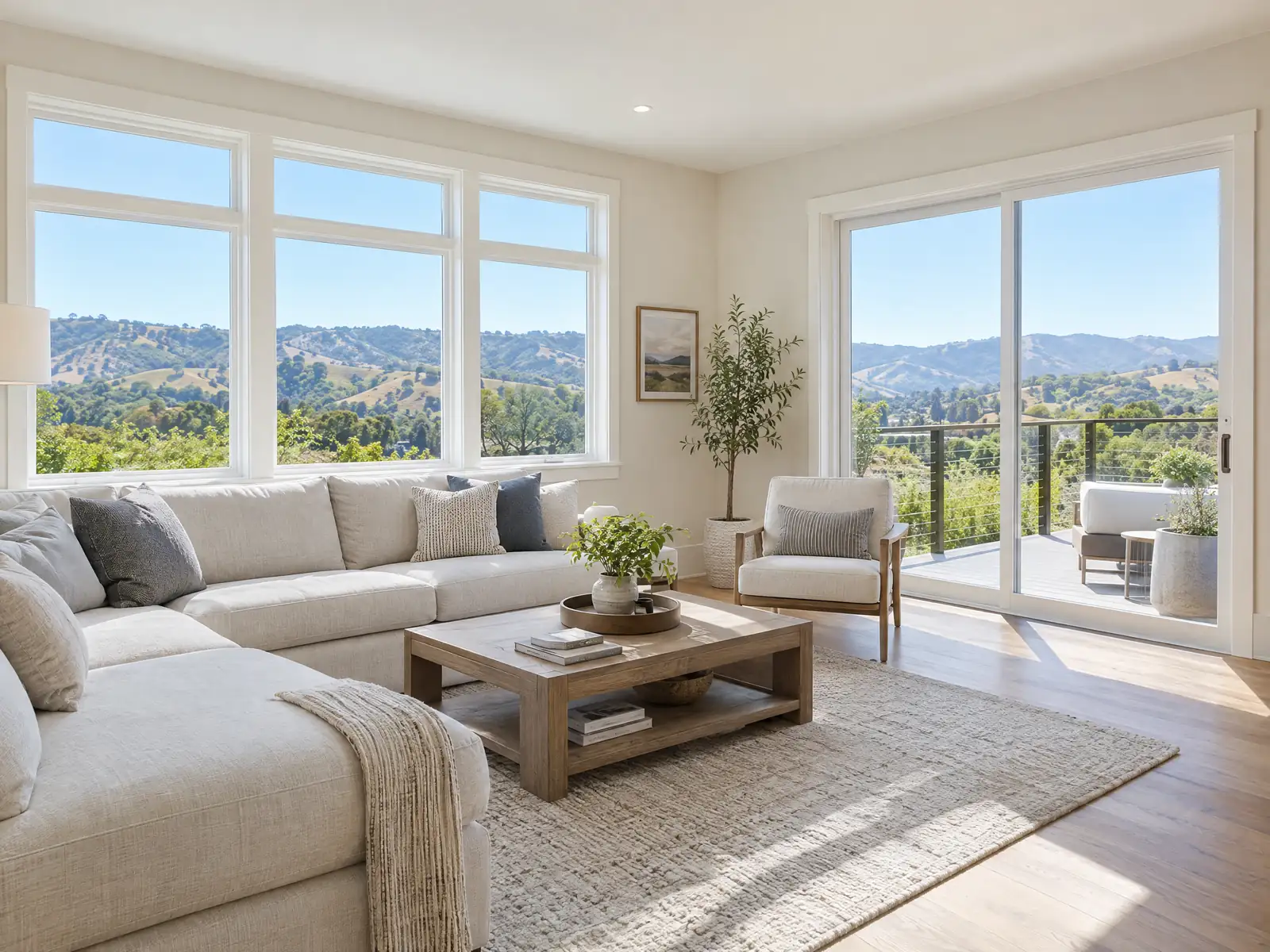
Windows
Replacement windows and sliding doors, with the LADBS permit path, glass ratings and sourced prices explained.
See window replacement →Keep reading
Shower Waterproofing in California: What Does the Code Require?
Backer boards, membranes, the 72 inch rule, how a shower pan flood test works and what inspectors in Southern California ask to see.
Read the guide →Does a Bathroom Remodel Need a Permit in Los Angeles?
Which bathroom work LADBS issues as an Express Permit, what goes to plan check, how nearby cities differ, and what the inspector signs.
Read the guide →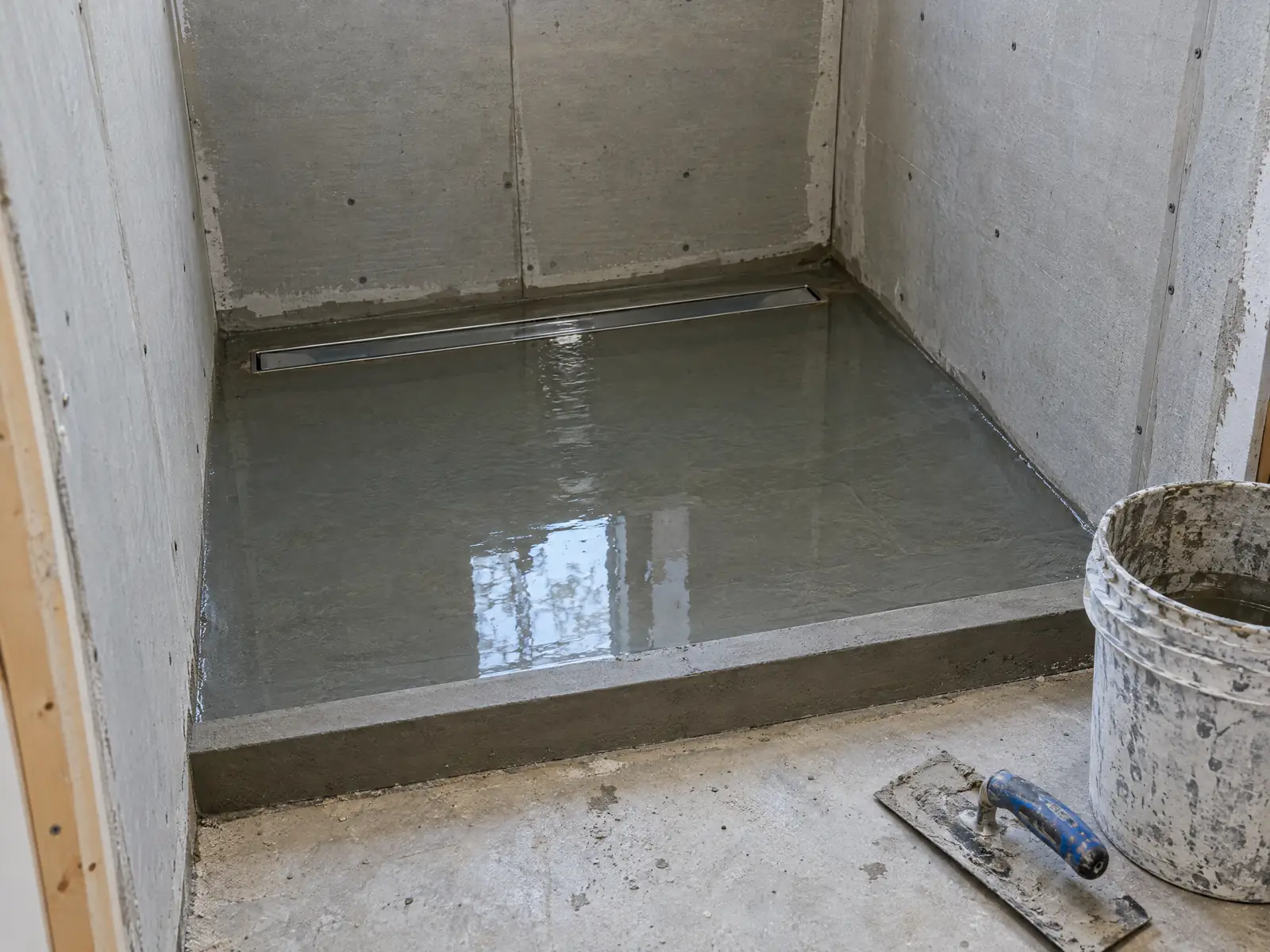
How Much Does a Bathroom Remodel Cost in California?
Los Angeles bathroom remodel prices by scope, what a new bathroom adds, and the permit and contract rules that touch the total.
Read the guide →Ready to plan your project?
Call or send the form. We schedule a site visit and send a written proposal.