
Vinyl vs Fiberglass vs Aluminum Windows in California
For most California homes, vinyl is the lowest-cost frame that insulates well, fiberglass costs more and stays more stable in heat, and aluminum is strong and slim but conducts heat unless it has a thermal break. In wildfire zones the glass matters more than the frame, though vinyl needs welded, reinforced construction.
Which window frame material is best for a California house?
There is no single winner. A tract home in a hot inland valley, a canyon house in a fire zone and a bungalow two blocks from the sand ask different things of a frame, so start from where the house sits and then from the budget.
The comparisons below lean on three sources: a U.S. Department of Energy guide to window types from its Building Science Education center, Fire Safe San Mateo County's window guidance, which is adapted from University of California publication 8393, and Fixr's January 2026 national price guide.
- Tightest budget, mild or hot climate: vinyl.
- Dark colors, large openings or strong sun: fiberglass.
- Slim sightlines and modern style: thermally broken aluminum.
- Fire hazard zone: any of the three with the right glass, and vinyl only with welded, reinforced construction.
- Design review district: check the city's approved materials before pricing anything.
How do vinyl, fiberglass and aluminum frames handle Southern California heat?
Heat is a two-part question: how much of it the frame passes indoors, and what it does to the frame. On the first, the Department of Energy guide is direct. Vinyl, wood, fiberglass and some composite frames provide greater thermal resistance than metal. Aluminum frames are very strong, light and almost maintenance free, but they conduct heat very well, which makes metal a very poor insulating material. The fix is a thermal break, an insulating plastic strip between the inside and outside of the frame and sash.
On the second, the same guide describes fiberglass frames as dimensionally stable, with air cavities that can be filled with insulation for better thermal performance than wood or uninsulated vinyl. Vinyl is usually PVC made with ultraviolet stabilizers to keep sunlight from breaking it down. It needs no painting and resists moisture well, and its hollow chambers can also be insulated.
The guide gives no lifespan in years for any frame, and we found no independent California figure, so we print none.
What does each frame cost per window?
Fixr's window replacement guide, updated January 21, 2026 and built from pricing databases, contractors and industry experts, lists installed national prices per window: aluminum at $200 to $800, vinyl at $350 to $800, fiberglass at $400 to $1,500 and composite at $300 to $2,500. Read these national figures as a ranking more than a quote. Los Angeles totals are covered in our guide to what window replacement costs in Los Angeles.
Run a ten-window house through those numbers. Aluminum: 10 x $200 = $2,000 to 10 x $800 = $8,000. Vinyl: 10 x $350 = $3,500 to 10 x $800 = $8,000. Fiberglass: 10 x $400 = $4,000 to 10 x $1,500 = $15,000. The low ends sit within $2,000 of each other, but top-range fiberglass is $15,000 - $8,000 = $7,000 more than top-range vinyl on the same ten openings.
Before trusting a low aluminum price, ask whether that unit has a thermal break and an NFRC label that meets your zone's limit.
Which window frames hold up in a wildfire zone?
Start with the glass, because that is where windows fail first. The University of California research summarized by Fire Safe San Mateo County found that glass is usually the most vulnerable part of a window, and that tempered glass is roughly four times stronger than ordinary annealed glass and resists heat much better. The LADBS Fire Hazard Severity Zone checklist, revised March 27, 2026, calls for multilayered glazing with at least one tempered pane, glass block, or glazing with a 20-minute fire protection rating.
Frames come second, and vinyl is where the detail matters. The same research found that vinyl frames fail when unreinforced horizontal or vertical separators deform under radiant heat and let the glass unit fall out, and that vinyl windows certified to the AAMA/WDMA/CSA 101/I.S.2/A440 standard have internal reinforcement that prevents it.
Local rules now say the same. San Diego's Wildland-Urban Interface Code, effective February 28, 2026, requires vinyl glazing frames to have welded corners, metal reinforcement in the interlock area and certification to that standard. Agoura Hills applies its fire zone standards to every property and asks for welded corners with metal reinforcement on vinyl. San Bernardino County's window handout points to its own vinyl frame section for the Fire Safety Overlay. Our guide to Class A roofs and wildfire hardening covers the roof and vents.
The research also found that fine metal screens delay glass cracking, with bronze doing best and aluminum least.
Do homes near the ocean need a different window frame?
Possibly, but official evidence is thin here. The Department of Energy guide credits vinyl with good moisture resistance and says composites resist moisture and decay better than conventional wood. It is silent on salt air and metal. We found no California agency source that ranks frames for coastal exposure.
Make the manufacturer answer instead. Ask in writing whether the finish and hardware are covered near the coast, how close, and what rinsing or maintenance is required. Also expect more process near the water: Long Beach, for one, does not offer its express window permit in Coastal Zones, so a Long Beach window replacement by the shore may not qualify for the faster path.
Can a city or HOA rule out a frame material?
Yes, and it happens before the building code gets a say. Beverly Hills is the clearest case we have read. The City's Design Review page says window permits can usually be approved at the counter for a like-for-like swap or for a higher-quality material such as fiberglass, aluminum clad, wood or steel, and that vinyl windows are not approved at the staff level.
Historic districts in Los Angeles, Long Beach, Santa Monica and San Diego add their own review of exterior changes, and a replacement window that faces the street is exactly the kind of change they look at, so ask whether frame material is part of it. Homeowner associations add private rules on top. Irvine advises checking with the community association before adding or enlarging windows. Our guide to window permits in Los Angeles walks through the City process.
Does the frame change whether a window passes Title 24?
It can. The Energy Code does not approve or ban any frame material. It sets a maximum U-factor and solar heat gain coefficient for the rated product, and the Department of Energy guide notes that improving the frame's thermal resistance contributes to the window's overall U-factor.
So the question is not whether aluminum is allowed. It is whether this window, with this glass, carries an NFRC label at or below the limit for your climate zone. Our Title 24 window guide lists the limits by zone.
Where do wood and composite frames fit?
The Department of Energy guide says wood insulates relatively well but expands and contracts with the weather and needs regular maintenance, which aluminum or vinyl cladding reduces. Unclad wood means recurring painting on the sunny sides. Fixr puts wood at $600 to $2,000 per window in its table. Composite frames, made from wood products, are described as very stable, with thermal properties equal to or better than wood.
What should you ask before choosing a frame?
Bring the same six questions to every bidder. On an MDG Builders project (CSLB #1040337) we gather those answers during the proposal stage and coordinate the permit, and a licensed window subcontractor does the installation. Whoever you hire for window replacement, ask for the installer's license number.
- What are the NFRC U-factor and SHGC for this exact frame and glass combination?
- Is the property in a mapped fire hazard zone, and which panes are tempered?
- If vinyl, are the corners welded and is the frame reinforced and certified to AAMA/WDMA/CSA 101/I.S.2/A440?
- If aluminum, does the frame have a thermal break?
- Does the city, a historic district or the HOA restrict the material or color?
- What do the written product terms say about dark colors, coastal installation and maintenance?
Window frame questions
Which is better, fiberglass or vinyl windows?
Fiberglass is the more stable frame and vinyl is the less expensive one. The Department of Energy describes fiberglass as dimensionally stable with insulated cavities that outperform uninsulated vinyl, while vinyl needs no painting and resists moisture. On a budget, vinyl is reasonable. For dark colors and large units, fiberglass is the safer pick.
Are fiberglass windows more expensive than vinyl?
Yes, at the upper end by a wide margin. Fixr's January 2026 national guide lists vinyl at $350 to $800 per window installed and fiberglass at $400 to $1,500. The starting prices are close, but a top-range fiberglass unit costs almost twice a top-range vinyl one.
Are aluminum windows Title 24 compliant?
Some are. Title 24 does not rule on frame material, only on the NFRC-rated U-factor and SHGC of the whole product. Because aluminum conducts heat well, it generally needs a thermal break and efficient glass to reach the 0.30 or 0.27 limit. Check the label on the exact model.
Do I need special fire-resistant windows in a Los Angeles hillside fire zone?
For work the fire zone standards cover, yes. The LADBS checklist calls for multilayered glazing with at least one tempered pane, glass block, or 20-minute rated glazing. We could not confirm whether a window-only replacement triggers it, so ask LADBS with your address before you order.
What is the difference between single, dual and triple glazed windows?
It is the number of glass panes in the unit. The Department of Energy explains that insulated glazing has two or more panes spaced apart and sealed, which mainly lowers the U-factor and also lowers solar heat gain.
Can new windows be matched to the existing ones on an addition?
Usually close, not always exactly. Frame material, color and grid pattern can be matched within what current product lines offer, and the new units must still meet today's energy limits. Bring a photo and measurements of an existing window to the supplier.
Work that goes with this
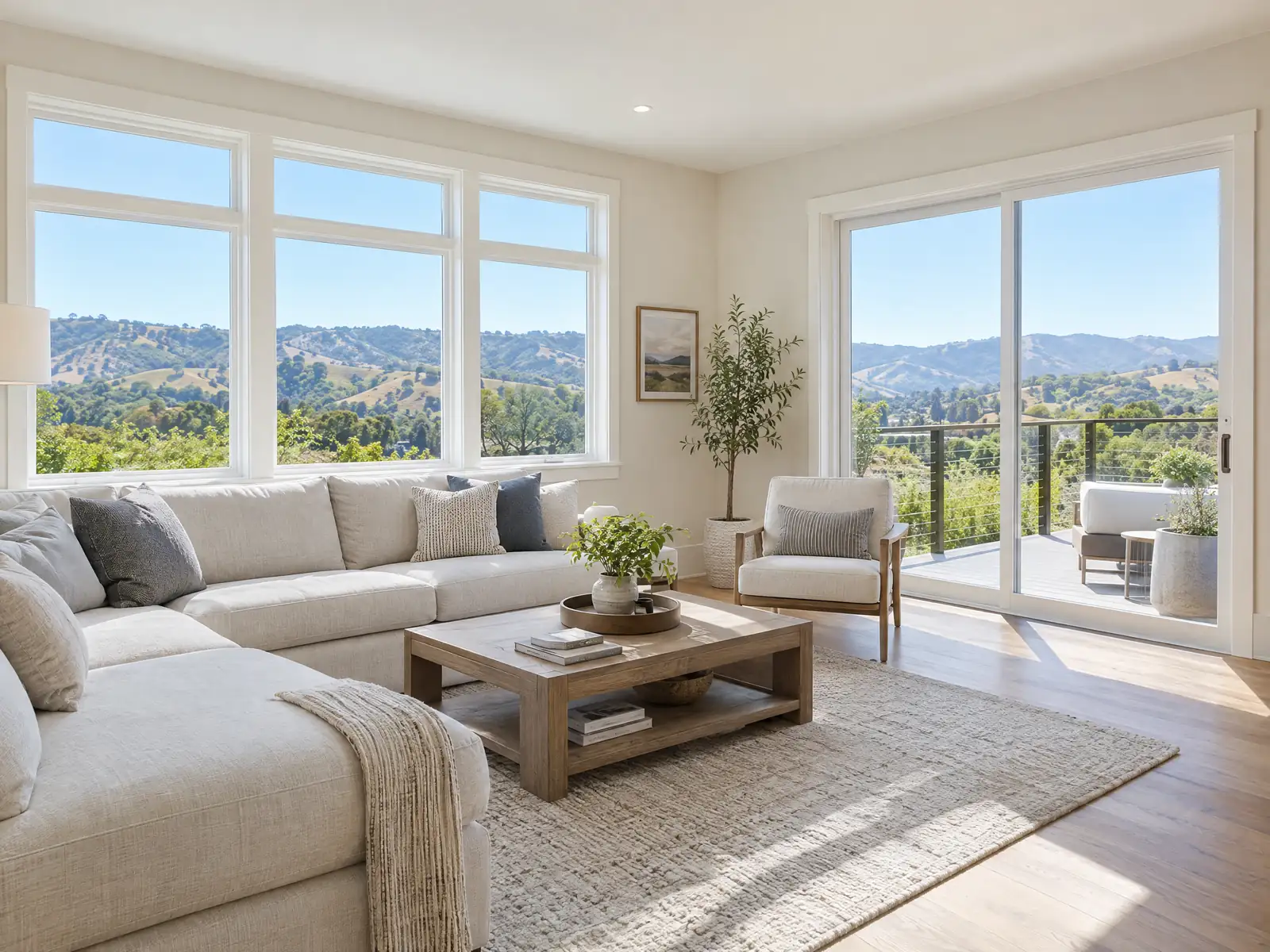
Windows
Replacement windows and sliding doors, with the LADBS permit path, glass ratings and sourced prices explained.
See window replacement →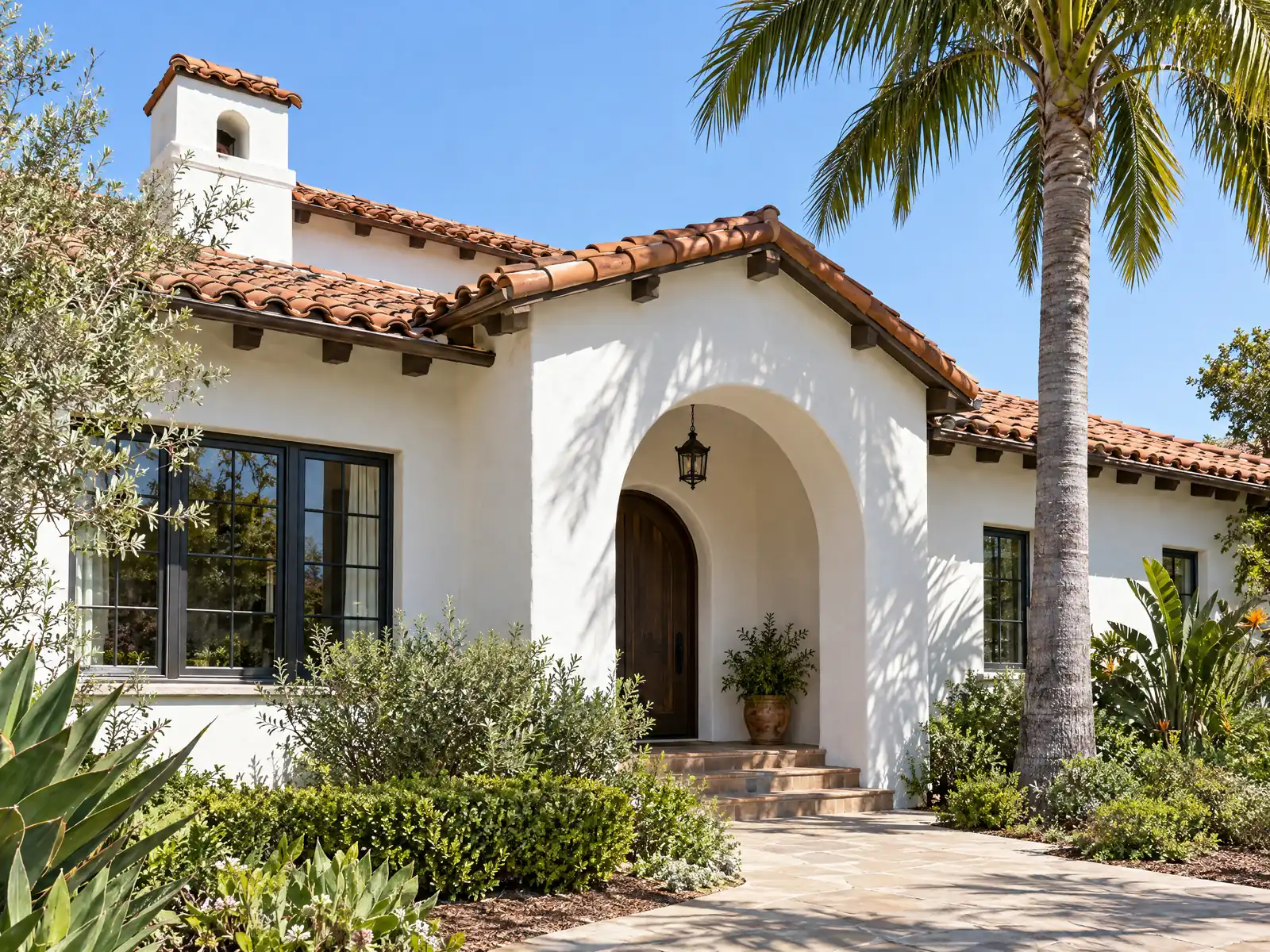
Roofing
Shingle, tile and metal roofs with LADBS permit rules, fire-zone requirements and sourced costs.
See roofing →
Painting
Interior, exterior, stucco and cabinet painting with real prep, lead-safe rules followed and a written scope.
See painting →Keep reading
How Much Does Window Replacement Cost in Los Angeles?
Whole-house and per-window prices for Los Angeles with named sources, a twelve-window worked example, and the local rules that add cost.
Read the guide →Title 24 Window Requirements in California: U-Factor and SHGC Explained
2025 Energy Code limits for replacement windows by climate zone, reading the NFRC label, the 75 square foot exception and a worked example.
Read the guide →Wildfire Hardening for Your Roof: Class A Roofs, Vents and Fire Zone Rules
What a Class A roof is, how ember-resistant vents work, and what fire zone rules require when a Southern California home is re-roofed.
Read the guide →Ready to plan your project?
Call or send the form. We schedule a site visit and send a written proposal.