
Lead Paint Rules for Older Homes in California: What Applies Before You Renovate?
If your California home was built before 1978, any paid renovation, repair or painting job that disturbs more than 6 square feet of paint per room inside, or 20 square feet outside, must be done by an EPA lead-safe certified firm using containment and cleanup rules. California also presumes pre-1978 paint contains lead unless tested.
Does my California house have lead paint?
If it was built before 1978, assume it might until a test says otherwise. The federal government banned lead-based paint in housing that year. EPA's page on sources of lead, updated November 3, 2026, estimates that 87 percent of homes built before 1940 have some lead-based paint, 69 percent of homes built from 1940 to 1959, and 24 percent of homes built from 1960 to 1977.
California goes a step further in its own regulations. Title 17 of the California Code of Regulations, section 35043, defines presumed lead-based paint as paint or surface coating on a structure constructed before January 1, 1978. The presumption ends only when testing finds less than 1.0 milligram of lead per square centimeter or less than 0.5 percent by weight.
Intact paint under newer coats is usually not the hazard. Dust is. Sanding a sill, scraping an eave or cutting into plaster turns old paint into fine particles that settle where children pick them up. That is what the rules target, and it is common in the older neighborhoods of Pasadena, South Pasadena, Long Beach and Santa Barbara.
What is the EPA RRP rule and who has to follow it?
RRP stands for Renovation, Repair and Painting. The rule sits in Title 40 of the Code of Federal Regulations, Part 745, Subpart E, and section 745.82 applies it to all renovations performed for compensation in target housing and child-occupied facilities. In plain words: anyone paid to disturb paint in a pre-1978 home. EPA's program page, updated June 17, 2026, says firms must be certified and their workers trained.
Some states run the program themselves. EPA's list of authorized states does not include California, so EPA runs the rule here directly.
Renovation is defined broadly. It covers surface preparation such as sanding and scraping, window repair, removing walls, ceilings, plumbing or windows, and even cutting holes for insulation. That takes in much of a kitchen remodel, a bathroom remodel, a window replacement or a repaint.
How much paint can be disturbed before the lead rule applies?
The rule carves out minor repair and maintenance. Section 745.83 sets the line at 6 square feet or less of painted surface per room for interior work and 20 square feet or less for exterior work. Three conditions go with it: no prohibited work practices, no window replacement and no demolition of painted surfaces. Jobs in the same room within 30 days are added together.
Some arithmetic makes the line concrete. Patching a 2 x 2 foot section of bedroom wall disturbs 4 square feet, which is under 6. A second 2 x 2 patch in that room three weeks later makes 4 + 4 = 8 square feet, and now the two visits count as one job over the limit. Outside, scraping a peeling fascia board 1 foot wide and 12 feet long is 12 square feet, under 20. Prepping one 10 x 8 foot wall for repainting is 80 square feet, four times the limit.
Replacing a window never qualifies as minor, and neither does demolition. If your project includes new windows, read when windows need a permit in Los Angeles too, because both sets of rules apply.
What does lead-safe work look like on an actual job?
The work practice standards are in section 745.85. You can check most of them from the driveway.
- Signs posted that define the work area before work starts, left up until cleaning is verified.
- Inside: floors covered with taped-down plastic at least 6 feet beyond the surfaces being worked on.
- Outside: ground covered at least 10 feet beyond the work, and all doors and windows within 20 feet closed.
- No open-flame burning or torching of paint.
- No power sanding or grinding unless the tool has a shroud and a HEPA vacuum attached.
- Heat guns only below 1,100 degrees Fahrenheit.
- Cleanup until no dust, debris or residue remains, then cleaning verification by a certified renovator.
What paperwork should a contractor hand you before starting?
A pamphlet and a signature line. Section 745.84 requires the firm to give the owner EPA's pamphlet, titled Renovate Right, no more than 60 days before the renovation begins. The firm must then either get your written acknowledgment that you received it or obtain a certificate of mailing at least 7 days before the work. A tenant in the unit gets the pamphlet too.
Ask for two more things: a copy of the firm's EPA lead-safe certificate and the name of the certified renovator assigned to your job. These sit alongside the usual checks, such as confirming the license, which our guide on checking a contractor's license explains.
Can a test take my project out of the lead rules?
Yes. Section 745.82 excludes a renovation when a certified inspector or risk assessor has determined in writing that the affected components are free of lead-based paint. It also excludes one when a certified renovator has tested each affected component with an EPA-recognized test kit and found no lead at the regulated level.
EPA's test kit page, updated October 19, 2026, recognizes LeadCheck and D-Lead kits for use by certified renovators on wood, ferrous metal, and drywall or plaster. The test has to cover every component the job touches.
Which California rules sit on top of the federal one?
Three are worth knowing. First, Title 17, section 36050 says any individual conducting lead activities, other than hazard evaluation, must use containment, must leave the work area with no visible dust or debris, and must show compliance to the state health department or local enforcement agency on request. It has no square footage floor in its text.
Second, Cal/OSHA protects the workers. Title 8, section 1532.1 covers all construction work where an employee may be exposed to lead. As we read it in November 2026, it sets a permissible exposure limit of 10 micrograms per cubic meter of air and an action level of 2, and it requires employers to notify the nearest Cal/OSHA district office in writing at least 24 hours before certain lead work, with an exception when less than 100 square or linear feet of lead-containing material is disturbed.
Third, permanent abatement falls under a separate certification program at the California Department of Public Health. We could not open CDPH's pages during this research, so call CDPH or your county health department for the details.
Do the rules apply if I do the work on my own home?
Mostly no. EPA says the RRP rule generally does not apply to homeowners working in their own pre-1978 homes. It does apply if you rent out all or part of the home, run a child care center in it, or buy, renovate and sell homes for profit. EPA still recommends hiring a certified firm or using lead-safe methods yourself.
Selling or renting brings a different federal rule. EPA's real estate disclosure page, updated May 27, 2026, says sellers and landlords of pre-1978 housing must disclose known lead-based paint, hand over available records, provide EPA's lead pamphlet and include a lead warning statement. Buyers get 10 days for a paint inspection or risk assessment unless both sides agree otherwise, and signed disclosures are kept for three years.
How does lead-safe work change the cost and schedule?
It adds setup and cleanup: plastic down before the first scrape, shrouded tools with HEPA vacuums, and cleaning verification before furniture moves back. We found no dated source that isolates lead-safe labor cost, so we print no number. Expect it as a visible line in a careful bid. Our exterior painting cost guide shows how prep drives the total.
MDG Builders, CSLB #1040337, is a general contractor in Tarzana. We design, pull permits and run the project, and licensed subcontractors perform each trade. On a pre-1978 house, ask us what you should ask any contractor: which certified firm and which certified renovator will be on your job, and to see both certificates before work begins.
Lead paint questions
Can you paint over lead paint?
Yes, painting over intact lead paint is allowed, and no federal rule requires you to remove it. The rules govern preparation: if a paid painter sands or scrapes more than 6 square feet per room inside, or 20 outside, on a pre-1978 home, the EPA containment and cleanup steps apply.
What lead paint certification does a contractor need in California?
A contractor paid to disturb paint in pre-1978 housing needs EPA lead-safe firm certification, and a certified renovator must be assigned to the job. California does not run its own program, so the certificate comes from EPA. Permanent abatement is a separate state certification.
What should I do if a contractor disturbed lead paint during a remodel?
Stop work in that area and keep children and pets out until it is cleaned. Ask for the firm's EPA certificate and how the area will be contained, cleaned and verified. For health questions call your doctor or county health department.
Do replacement windows fall under the lead paint rules?
Yes, in a pre-1978 home window replacement is always treated as a renovation under the EPA rule. The minor repair exception in section 745.83 specifically excludes window replacement, however small the job. The installer must be a certified firm unless testing clears the affected components.
Is a house built in 1978 or later exempt from lead paint rules?
Yes, for the renovation rule. The EPA rule covers target housing, which is housing built before 1978, and California's Title 17 presumption covers structures built before January 1, 1978. A newer home is outside both.
How do I find out if my old house has lead paint before renovating?
Hire a certified lead inspector or risk assessor, or have a certified renovator test each component the project will touch with an EPA-recognized kit such as LeadCheck or D-Lead. A written finding of no lead-based paint takes the job out of the federal rule.
Work that goes with this
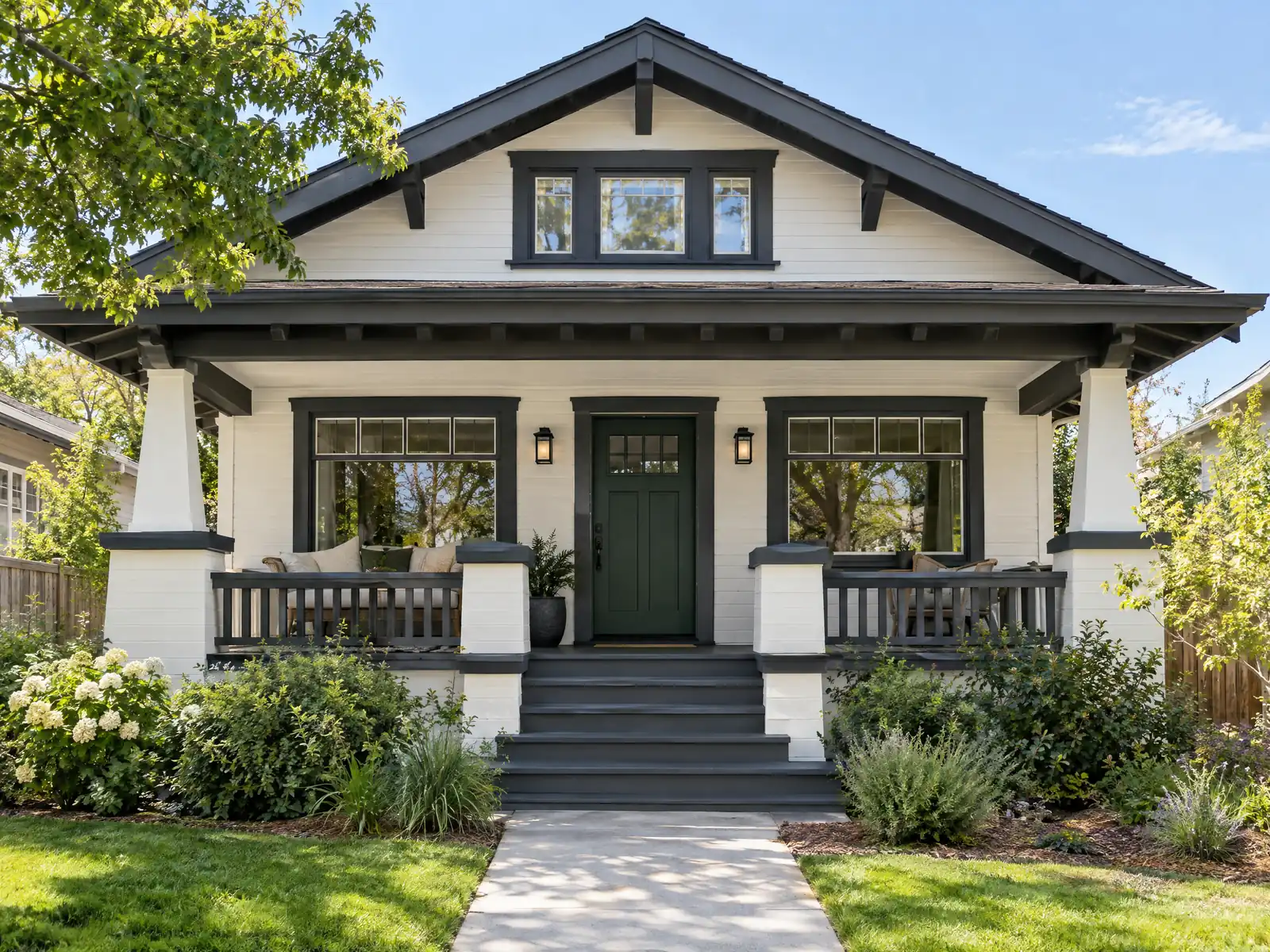
Painting
Interior, exterior, stucco and cabinet painting with real prep, lead-safe rules followed and a written scope.
See painting →
Windows
Replacement windows and sliding doors, with the LADBS permit path, glass ratings and sourced prices explained.
See window replacement →
Kitchen Remodeling
Cabinets, counters, layout changes, permits and a written schedule, with prices tied to named sources.
See kitchen remodeling →Related reading
How Much Does Exterior House Painting Cost in Los Angeles?
Exterior paint prices for Los Angeles by house size and stories, what stucco prep adds, a worked example and the permit and contract rules.
Read the guide →Do You Need a Permit to Replace Windows in Los Angeles?
Same-size swaps are an LADBS Express Permit; new or resized openings are not. Plus how Santa Clarita, Irvine, San Diego and others differ.
Read the guide →Home Improvement Contract Red Flags in California: 12 Warning Signs
Twelve warning signs in a contractor's pitch, payment terms and paperwork, each checked against CSLB guidance and California statute.
Read the guide →Ready to plan your project?
Call or send the form. We schedule a site visit and send a written proposal.